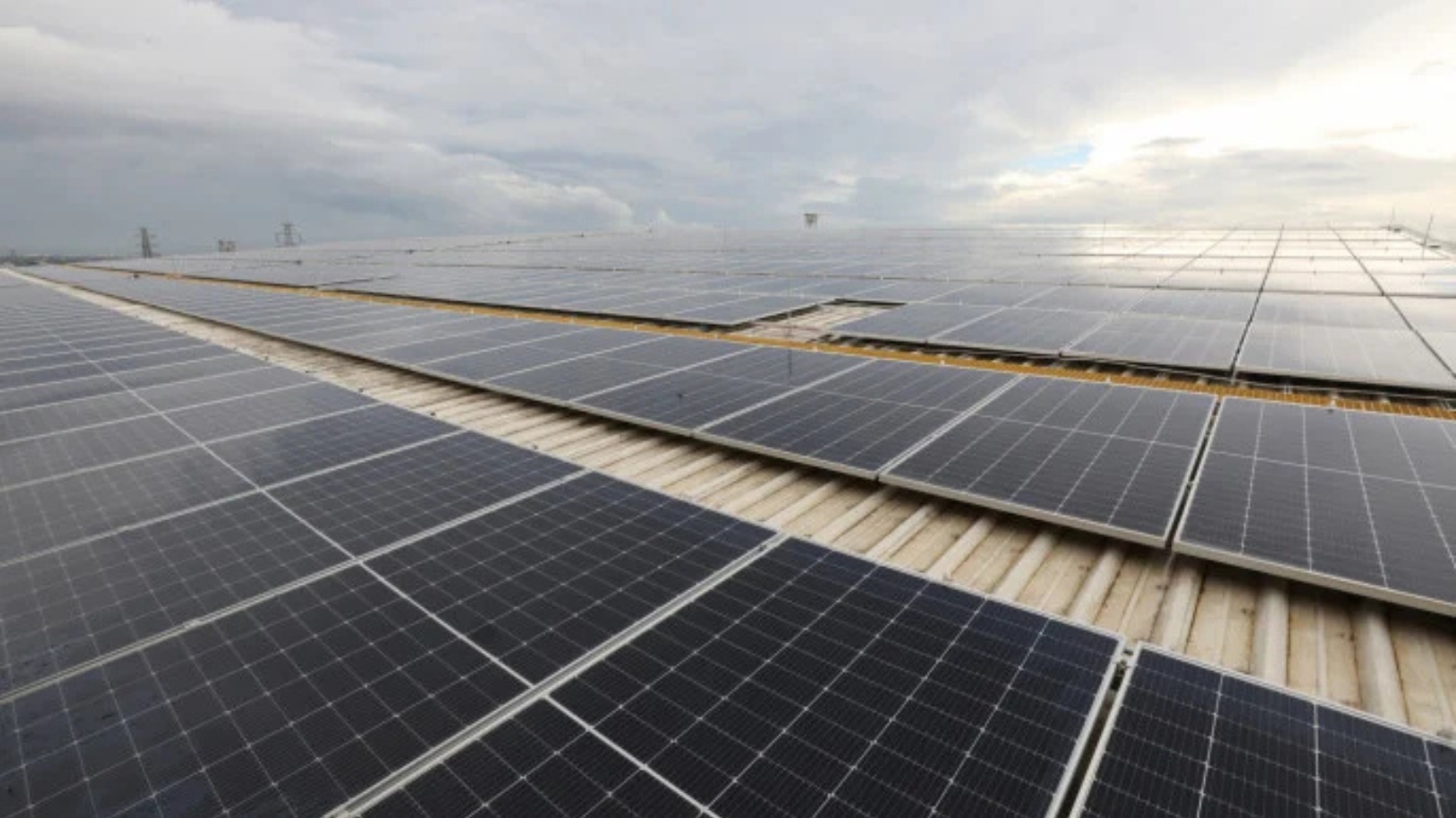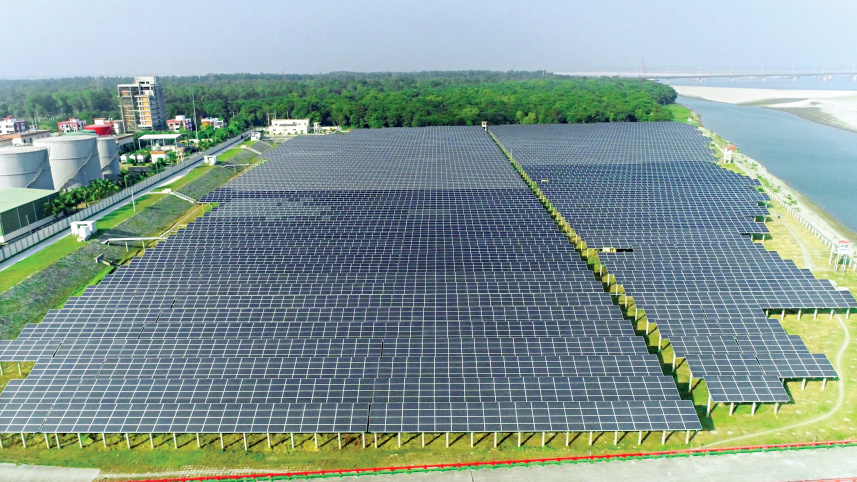
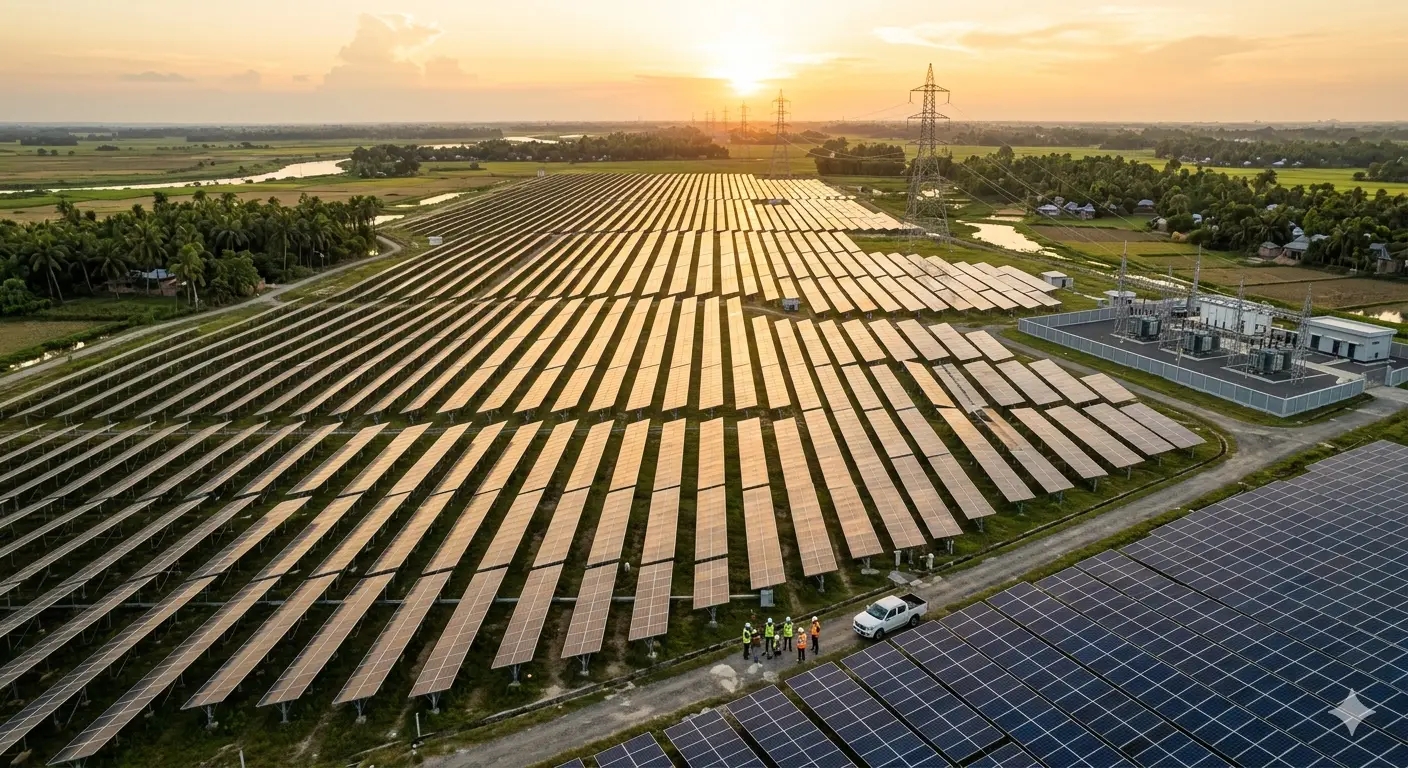
The Bangladesh Power Development Board (BPDB) has invited international bids to develop 10 grid-connected solar power plants with a total capacity of 495MW across the country, in a renewed effort to accelerate renewable energy adoption after a disappointing response to a much larger tender earlier this year.
The fresh tender was floated on 27 April, with 28 June set as the deadline for submission, giving prospective investors nearly two months to prepare their proposals. The deadline for selling tender documents has been fixed at 25 June.
Project Scope and Nationwide Distribution
According to the tender documents, the proposed projects—spread across 10 different locations—will range in size from 25MW to 100MW. The sites have been strategically selected to ensure geographic diversity, aiming to strengthen grid stability and reduce reliance on fossil fuel-based peaking power plants.
The planned projects include:
- A 100MW solar plant in Tangail, connected to an under-construction 132/33 kV grid substation, making it the largest project under this initiative
- Two 50MW plants in Cox’s Bazar, one in the north and one in the south
- Three additional 50MW projects in Panchagarh, Lalmonirhat, and Netrakona
- Two 45MW plants in Bhaluka (Mymensingh) and Kurigram
- A 30MW plant in Lohagara, Chattogram
- A 25MW facility in Bajitpur, Kishoreganj
BPDB stated that all project locations have been chosen near existing or under-construction substations to ensure seamless integration into the national grid and minimize transmission constraints.
Background: Previous Mega Tender Fell Short
This move comes after BPDB’s earlier attempt to attract investors for 55 grid-connected solar projects with a combined capacity of 5,238MW failed to meet expectations.
The previous tenders, floated in four packages between December 2024 and March 2025 during the interim government period, received proposals for only around 900MW, significantly below the targeted capacity.Industry insiders attributed the weak response primarily to the absence of sovereign guarantees, which are considered essential for ensuring project bankability and attracting international financing.
Investment Concerns and Policy Position
Private sector stakeholders remain cautious about the new tender for the same reason, raising concerns about how developers will secure financing without sovereign backing.However, BPDB officials maintain that alternative assurances are in place. Under the current framework, BPDB will purchase electricity from the selected projects through competitively bid tariffs.
“No Sovereign Guarantee” Debate
The lack of sovereign guarantees remains the central issue for potential investors.Speaking to the media, BPDB Chairman Md Rezaul Karim defended the decision, citing past financial burdens where BPDB had to pay significant capacity charges for power plants that did not generate electricity.