Bangladesh is strengthening its commitment to renewable energy development as part of a broader strategy to ensure long-term energy security and sustainability. The growing collaboration between Bangladesh and the European Union (EU) highlights a shared priority to accelerate renewable energy deployment and create a more resilient energy future.
Michael Miller, Ambassador and Head of Delegation of the European Union to Bangladesh, stated this at a high-level event in Dhaka titled “Boosting Renewable Energy in Bangladesh – From Design to Implementation.”
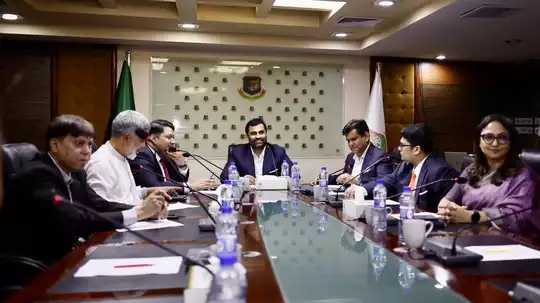
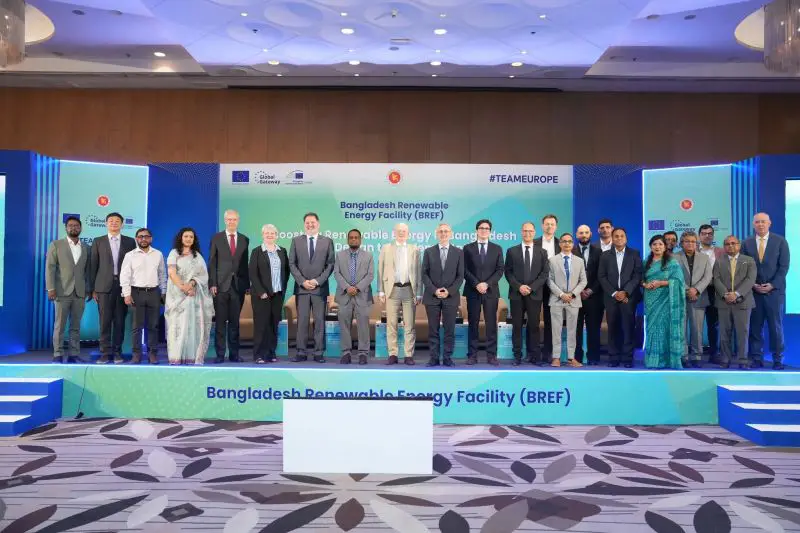
The event, held on 20 April in Dhaka, was hosted by the European Investment Bank (EIB) in collaboration with the European Union Delegation and the Power Division of the Ministry of Power, Energy & Mineral Resources (MoPEMR). It brought together senior representatives from the Government of Bangladesh, the European Union, the European Investment Bank (EIB), Team Europe, international partners, financial institutions, regulators, and private sector stakeholders.
The initiative was organised under the Bangladesh Renewable Energy Facility (BREF)—a flagship programme of the EU’s Global Gateway strategy. This initiative is designed to accelerate large-scale renewable energy investments, supporting Bangladesh’s energy security, climate goals, and green transition.
Under this programme, the EU’s financial support for the public sector totals approximately €395 million. This includes a €350 million sovereign EU-guaranteed loan from the European Investment Bank, along with an EU grant of €45 million, of which €6 million is allocated to improve project bankability and reduce investment risks. Additionally, Germany is contributing further financial support, including €50 million and €1.5 million in technical assistance grants.
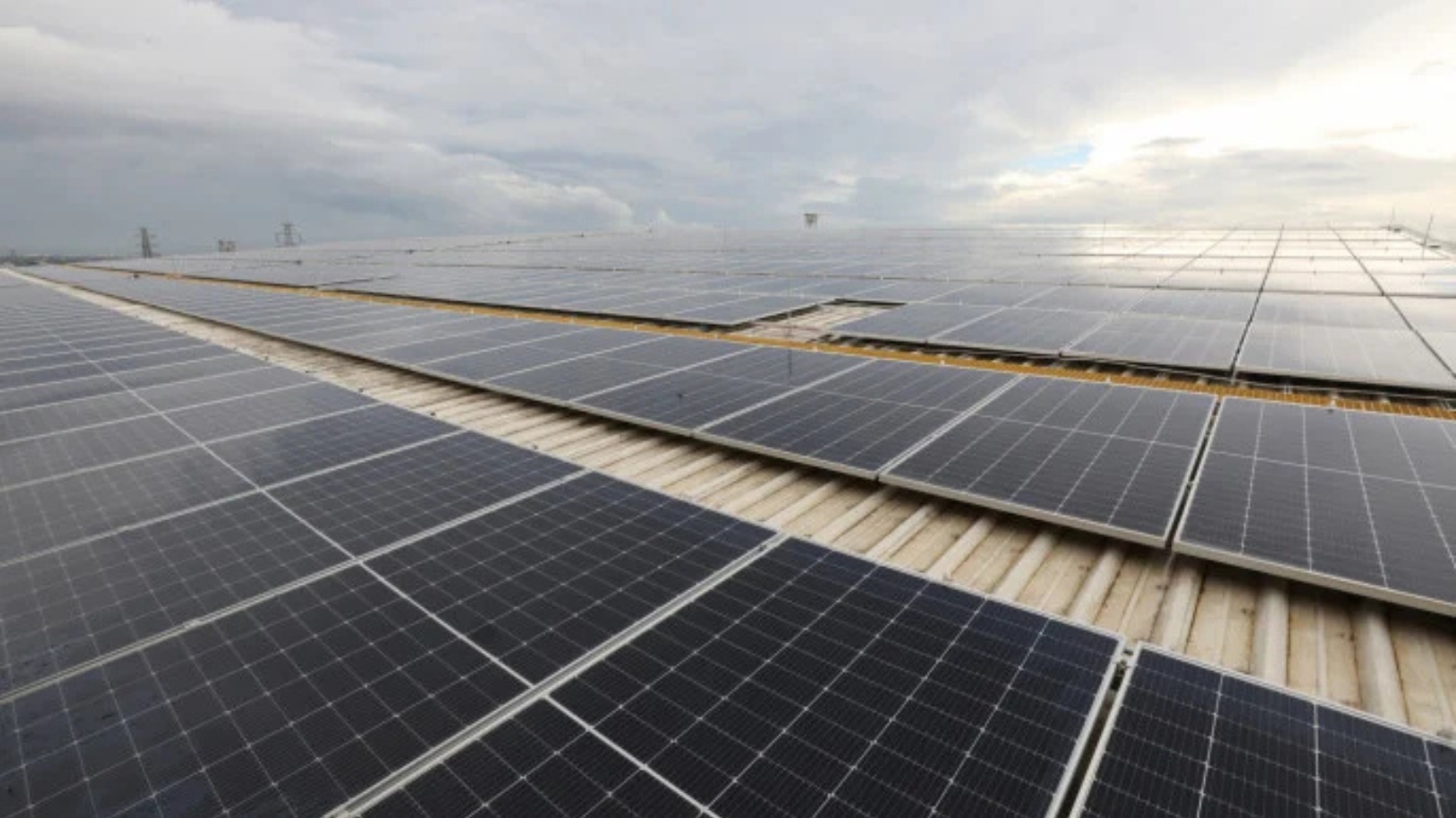
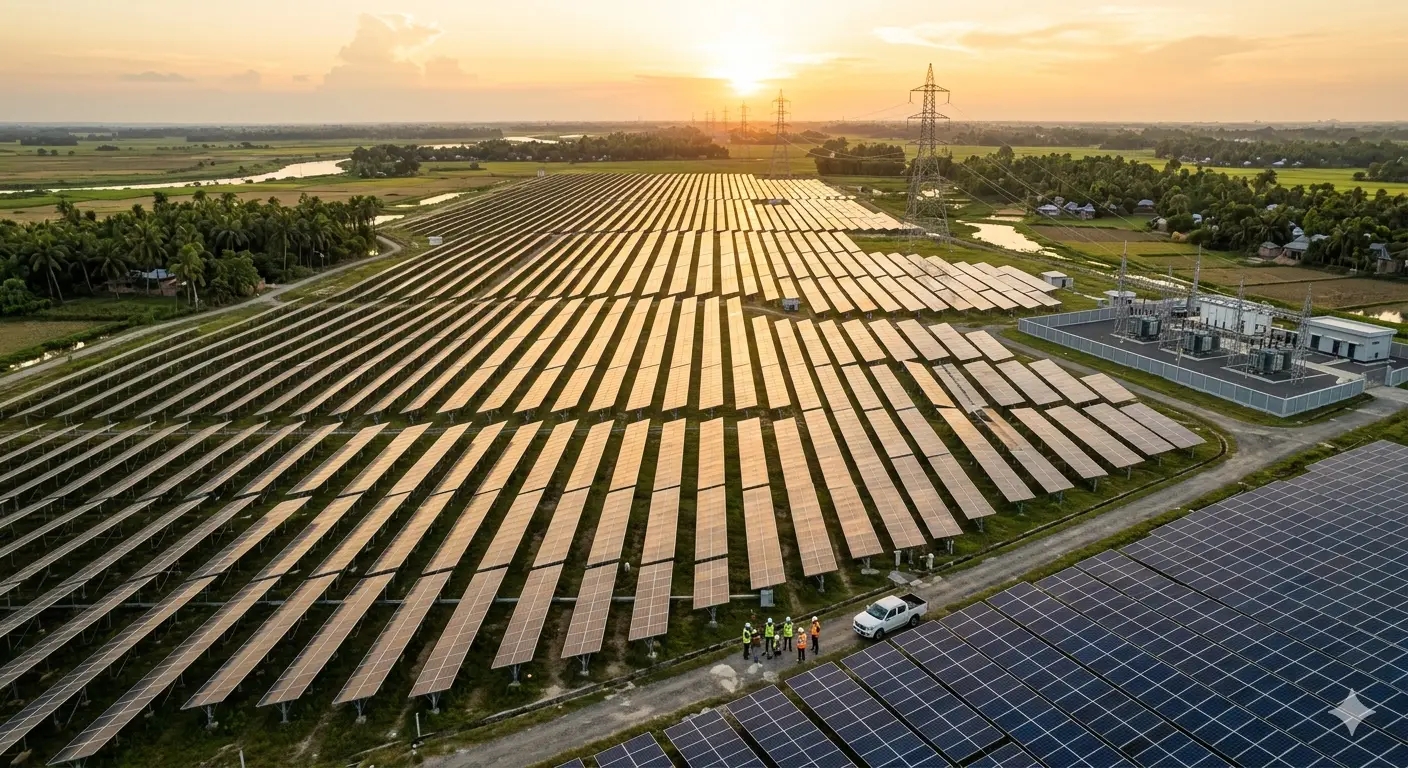
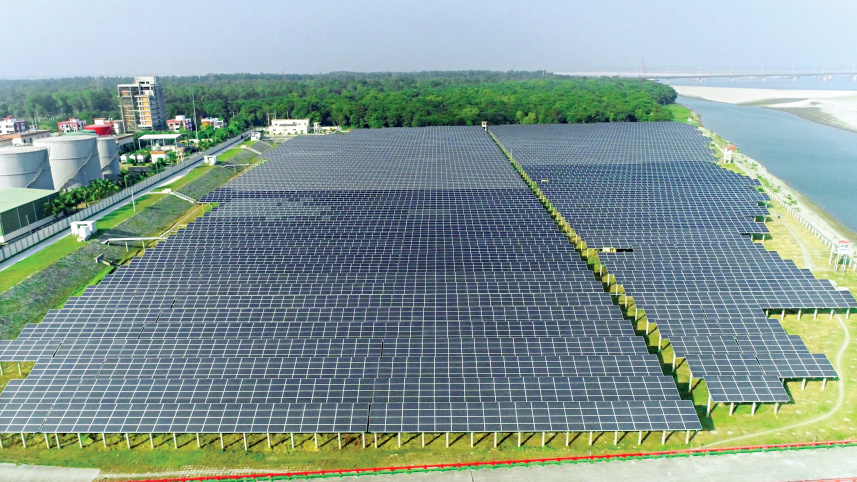
Through BREF, it is expected that nearly €700 million in total investment will be mobilised in wind and solar energy. The initiative aims to deliver up to 750 MWp of new renewable energy capacity, enhance grid stability, support decentralised energy systems, and promote innovation—particularly in areas such as dual land use and battery energy storage solutions.
The event began with opening remarks from Michal Krejza, Head of Cooperation at the EU Delegation to Bangladesh, who highlighted the importance of coordinated efforts in accelerating renewable energy development.
Speaking at the event, Nur Ahmed, Additional Secretary (Planning), Power Division, emphasized that the collaboration between the Government of Bangladesh, the European Union, the European Investment Bank, and Team Europe reflects a unified commitment to building a clean, secure, and resilient energy system. He noted that such partnerships are essential to mobilise large-scale investments, technical expertise, and sustainable infrastructure.
Michael Steidl, Head of Regional Representation to South Asia at the European Investment Bank (EIB), stated that the EIB is proud to support Bangladesh’s transition toward a low-carbon energy future. He described BREF as a critical component in advancing the country’s renewable energy ambitions, adding that the technical assistance programme plays a vital role in ensuring projects meet international standards and are investment-ready.
Meanwhile, Rüdiger Lotz, Ambassador of Germany to Bangladesh, described BREF as a significant milestone in energy sector collaboration between Bangladesh, the European Union, and its member states. He encouraged stakeholders to move forward confidently in utilising renewable energy sources such as solar and wind to drive sustainable growth.
The programme also included a detailed presentation on the Bangladesh Renewable Energy Facility (BREF) and its Technical Assistance component (BREF-TA), which is specifically designed to accelerate renewable energy project development and support Bangladesh’s climate commitments.
Andreas Wiese, Managing Director of GOPA Tech and lead partner of the BREF-TA Consultant Consortium, stated that the organisation is committed to supporting Bangladesh through practical expertise and innovative solutions. He noted that the technical assistance will help projects achieve financial viability, encourage innovation, and strengthen institutional capacity within the energy sector.
Overall, the Bangladesh Renewable Energy Facility marks a major step forward in the country’s transition toward clean energy. Through the continued support of the European Union, Team Europe, and international partners, Bangladesh is moving closer to building a sustainable, secure, and resilient energy future.