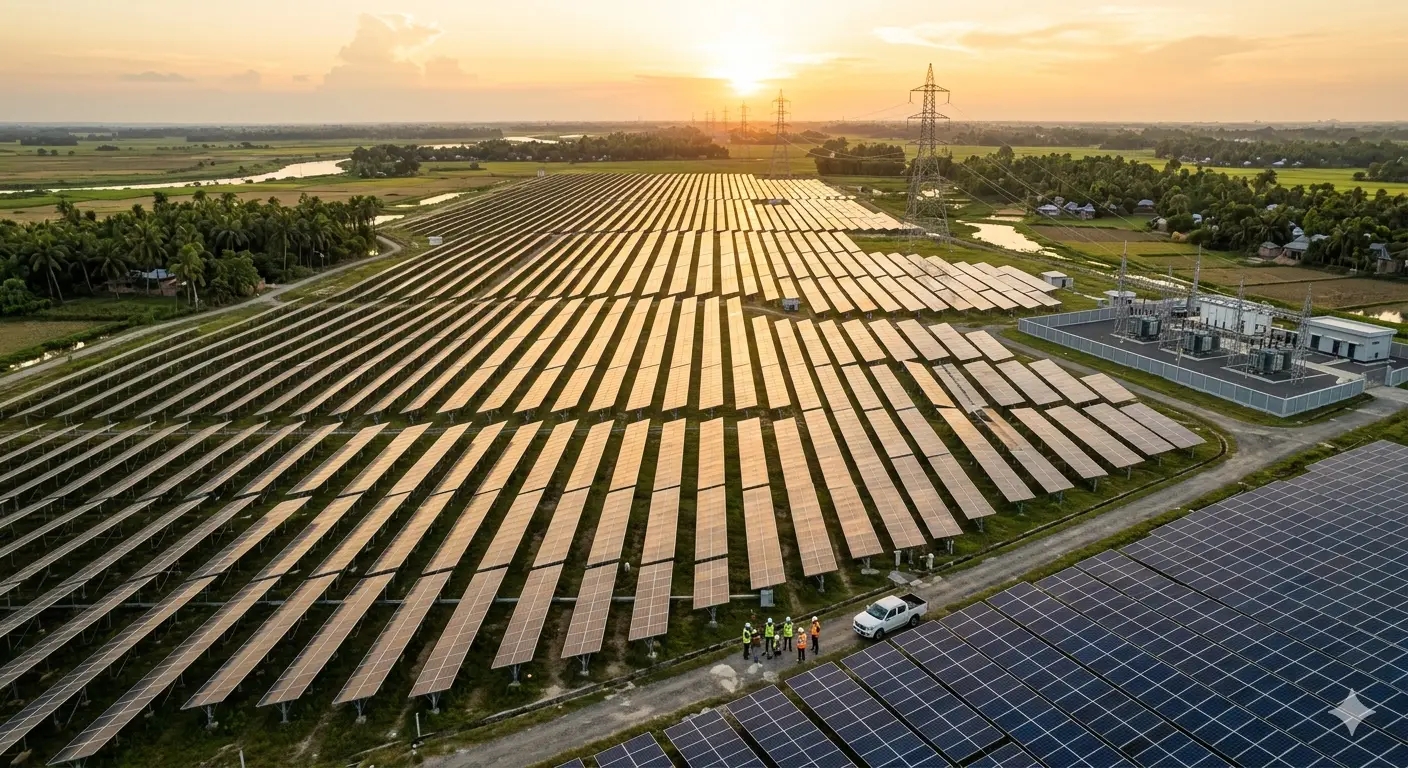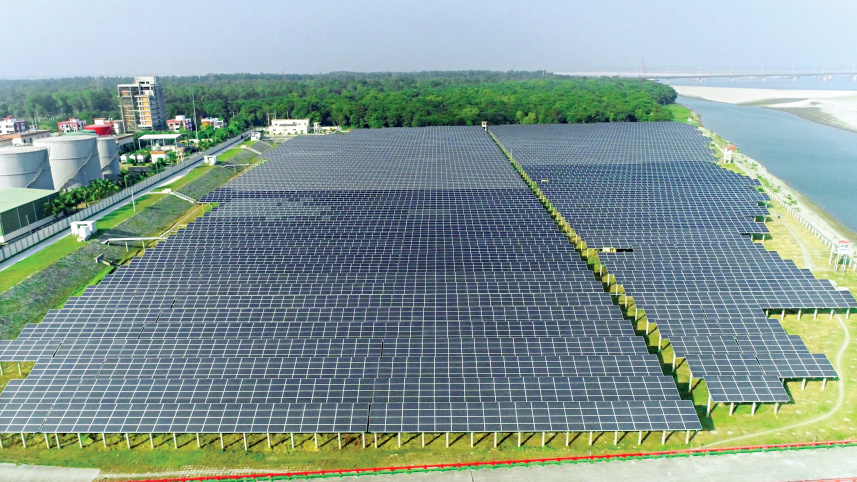
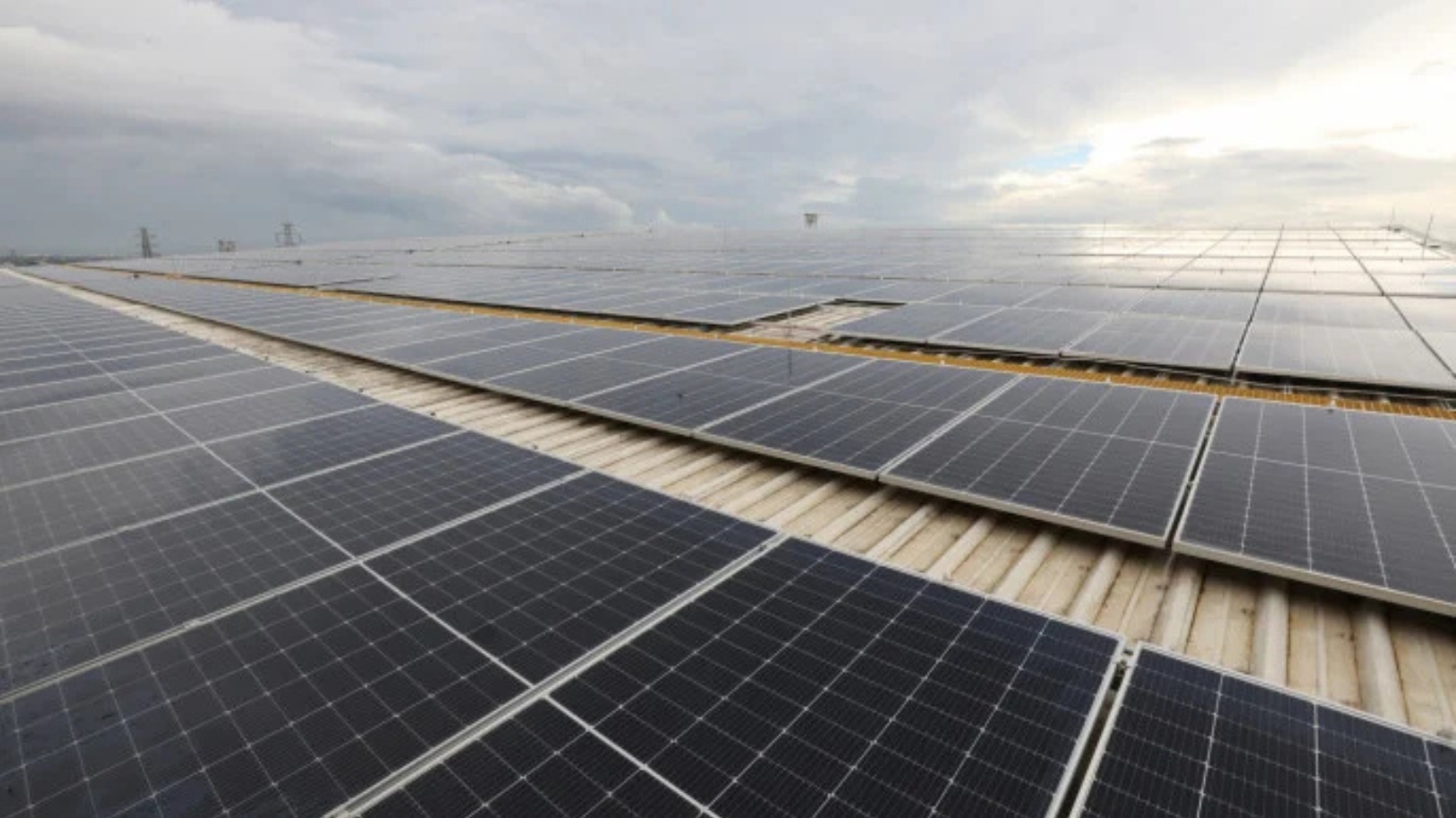
Small and medium-sized export-oriented factories in Bangladesh are increasingly investing in rooftop solar systems and other renewable energy technologies as rising electricity costs, fuel price hikes, and international buyer pressure reshape the country’s industrial landscape.
Despite high installation costs, limited access to financing, and heavy import duties on solar equipment, industry insiders say many entrepreneurs now consider renewable energy a long-term business necessity rather than just an environmental initiative.
Growing Shift Toward Renewable Energy
Renewable energy investment in Bangladesh was once largely limited to major industrial groups. However, smaller factories are now steadily adopting rooftop solar systems to reduce operational costs and maintain competitiveness in global export markets.
Industry experts say the key drivers behind this transition are rising energy expenses, business sustainability concerns, and increasing pressure from European buyers demanding environmentally responsible manufacturing practices.
Energy disruptions caused by both global and domestic factors are also encouraging businesses to seek more stable and cost-effective energy solutions.
Small Factories Leading the Green Transition
One notable example is Narayanganj-based Fatullah Apparels, a factory employing around 500 workers. The company invested approximately Tk56 lakh in solar power four years ago with an expected investment recovery period of eight years.
The factory has since become one of Bangladesh’s top 10 green factories and is reportedly on track to recover its investment nearly two years ahead of schedule.
Fazlee Shamim Ehsan, Managing Director of Fatullah Apparels and Executive President of BKMEA, said nearly 90% of the company’s exports go to European Union countries.
According to him, European sustainability regulations are becoming stricter and will be fully implemented by 2030, making green production increasingly necessary for exporters.
He also stated that solar power currently supplies nearly 25% of the factory’s electricity demand, while the company plans to meet its full electricity requirement through solar energy within the next year.
Ehsan noted that although solar installation requires substantial upfront investment, long-term electricity costs are significantly lower compared to conventional fossil fuel-based power systems.
Significant Reduction in Electricity Costs
Another export-oriented garment factory, Shantir Nir Sweaters Limited, has also adopted rooftop solar systems at its production facility.
Abdur Rouf, Manager of Administration and Human Resource at the company, said the factory’s monthly electricity bill previously stood at nearly Tk3.5 lakh under conventional electricity use. After installing solar panels, the monthly electricity cost reportedly dropped to around Tk1.21 lakh.
He added that the factory initially invested nearly Tk1 crore for the solar installation, with owners arranging the financing from their own resources.
More Than 1,100 Garment Factories Already Using Solar
According to a recent study conducted by research platform Mapped, approximately 1,107 out of 3,320 surveyed garment factories in Bangladesh have already installed solar systems to meet part of their electricity demand.
Among them:
- 506 factories are small and medium-sized facilities employing fewer than 1,000 workers
- 289 factories employ fewer than 500 workers
The study also found that nearly 80 garment factories outside BGMEA and BKMEA memberships have independently installed solar systems for electricity generation.
Shehab Udduza Chowdhury, Vice-President of BGMEA, stated that at least 50 more member factories have recently started the process of installing rooftop solar systems.
Industry estimates suggest that factories in Bangladesh are currently generating nearly 500MW of electricity through solar panels and other renewable energy sources, with another 500MW expected to come online within the next year.
Renewable Energy Becoming a Business Requirement
Industry insiders believe renewable energy adoption is no longer optional for export-oriented manufacturers.
Bangladesh’s largest export destination remains the European Union, which accounts for nearly 44% of the country’s total exports. Including the United Kingdom, the share rises to around 60%.
European sustainability regulations are becoming increasingly strict under policies such as:
- Corporate Sustainability Due Diligence Directive (CSDDD)
- Carbon Border Adjustment Mechanism (CBAM)
- Digital Product Passports (DPP)
These regulations require companies to track environmental impacts, carbon emissions, sustainability compliance, and renewable energy usage across supply chains.
Sector insiders say many European brands sourcing from Bangladesh have already instructed factories to reduce carbon emissions by nearly 50% before 2030.
Global Brands Warn About Sustainability Compliance
Several international apparel brands have reportedly warned suppliers that failure to shift toward renewable energy could affect future sourcing decisions.
H&M, one of the largest buyers of Bangladeshi apparel, stated that suppliers failing to meet sustainability expectations may eventually face reduced business volumes or termination of business relationships if sufficient progress is not achieved.
The company also noted that supplier factories in Bangladesh are already generating around 2MW of electricity through solar systems.
Kazy Mohammad Iqbal Hossain, South Asia Sustainability Manager and Global Climate Actions Lead at Lindex HK Limited’s Dhaka office, said suppliers must adopt concrete climate actions, including renewable energy and energy efficiency improvements.
He added that products associated with high carbon emissions may face barriers in European markets in the future.
According to him, around 50% of Lindex HK’s supplier production units in Bangladesh have already installed rooftop solar systems.
Financing and Import Duties Remain Major Challenges
Despite increasing interest in solar energy, businesses still face several barriers.
Stakeholders say the biggest challenge remains high upfront investment costs. Although Bangladesh Bank offers sustainable financing schemes, many small factories struggle to access low-interest green loans.
Mutual Trust Bank Managing Director Syed Mahbubur Rahman said most green financing has so far gone to large companies, while small entrepreneurs continue to face financing difficulties.
Banking officials also noted that solar projects usually require 8–10 years for investment recovery, making lenders cautious about financing small businesses.
High import duties on solar equipment are another major concern for investors.
Former Vice-President of the Bangladesh Textile Mills Association, Salehuddin Zaman Khan, stated that import tariffs on some solar components can reach up to 77%, increasing project costs by nearly 30% to 50%.
According to him, a solar project costing Tk1.5 crore in India may cost nearly Tk2.5 crore in Bangladesh because of higher duties and additional expenses.
Government Considering New Incentives
The government is now reportedly considering new policy support measures to encourage investment in renewable energy.
Power, Energy and Mineral Resources Minister Iqbal Hasan Mahmud Tuku recently stated that authorities are considering:
- Reduced import duties on solar equipment
- Five-year tax holidays for solar investors
- Investment-friendly renewable energy policies
He also indicated that a new policy framework for the solar sector could be announced soon.
Industry experts believe such incentives could significantly accelerate rooftop solar adoption among small and medium-sized businesses across Bangladesh.